

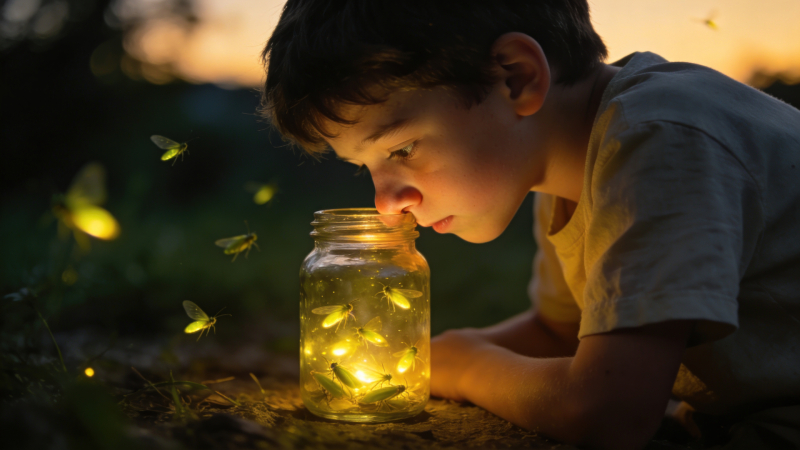
Have you ever watched a child watch an ant crawl across a sidewalk, or freeze in absolute awe at the sight of a deer stepping out of the tree line? Kids are born with an innate curiosity about the natural world. But as habitats shrink and more species face critical threats, how do we guide that initial wonder and transform it into a lifelong passion for protecting our planet?
The secret lies in storytelling.
By introducing young readers to the best wildlife conservation books, we can build empathy and inspire action long before they are old enough to cast a vote or lead a research expedition. Here is how engaging stories—ranging from vibrant illustrated tales to deep-dive chapter books—can turn curious kids into active protectors of the wild.
1. Sparking Empathy with Picture Books about Animals
For our youngest nature lovers, the journey starts with emotion. Before a child can comprehend complex ecological concepts like “biodiversity loss” or “ecosystem fragmentation,” they need to care about the individual creatures sharing our planet.
This is where beautifully illustrated picture books about animals play a critical role. High-quality picture books do more than just teach animal sounds; they introduce kids to the everyday challenges wild animals face. Whether it’s a story about a sea turtle navigating plastic in the ocean or a lost bear cub looking for an undisturbed forest, these visual narratives build a bridge of empathy. When a child falls in love with a character on a page, they naturally want to keep that animal safe in the real world.
2. Going Deeper with Children’s Books about Animals
As kids grow, their curiosity expands from “What is that animal?” to “Why is this happening, and how can I help?”
Middle-grade and elementary-aged children’s books about animals help bridge this gap by weaving science, adventure, and real-world conservation into compelling narratives. These books introduce readers to real-life conservation heroes—biologists, park rangers, and indigenous communities—working on the front lines of wildlife protection.
By reading about real conservation efforts, kids learn that protecting wildlife isn’t an impossible task. It’s a series of practical, collaborative, and incredibly rewarding actions. They begin to see themselves not just as passive observers of nature, but as active stakeholders in its future.
3. Selecting the Best Wildlife Conservation Books: What to Look For
When building your child’s home library or choosing a read-aloud for the classroom, keep these three key elements in mind:
- An Empowering Message: Look for books that highlight solutions rather than just focusing on doom and gloom. Children should finish a book feeling inspired and motivated, not overwhelmed by eco-anxiety.
- Scientific Accuracy: The best books blend lyrical storytelling with accurate, age-appropriate science. Look for titles that include backmatter—such as glossaries, real-world animal facts, or action steps.
- An Actionable Takeaway: Great conservation books always answer the question, “What can I do?” Even simple suggestions like planting native wildflowers for bees, reducing single-use plastics, or participating in a local citizen science project help kids realize that their small actions matter.
The Forest is Calling
If you want to dive deeper into stories that celebrate the magic and mystery of our woodlands, explore our collection of immersive, nature-focused tales directly at Mysteries of the Forest.
The future of our planet’s incredible wildlife rests in the hands of the next generation. By sharing stories that celebrate the wild and highlight the people who protect it, we can foster a generation of conservationists who don’t just love nature—they fight for it.